
How Canada’s Modern Slavery Law Compares to Global Regulations

Over the past decade, governments worldwide have introduced legislation aimed at tackling forced labour and child labour in supply chains. These laws recognize that companies—whether knowingly or unknowingly—may be sourcing products and materials linked to labour exploitation.

Canada has now joined this international movement with its Fighting Against Forced Labour and Child Labour in Supply Chains Act, which came into effect in 2024. The law requires large companies operating in Canada to disclose how they are addressing the risks of forced labour and child labour within their supply chains.

But how does Canada’s approach compare to similar laws in the UK, Australia, the US (California), Germany, and France? Businesses that operate internationally may already be subject to modern slavery regulations in other jurisdictions. Understanding the similarities and differences can help companies navigate compliance more effectively and develop a coherent global strategy.

Transparency vs. Due Diligence: A Key Distinction

One of the biggest differences among modern slavery laws is whether they focus on transparency or due diligence.

The Canadian law, like the UK and Australian Modern Slavery Acts, follows a transparency model. This means companies are required to report publicly on the risks of forced labour in their supply chains and the steps they are taking to address those risks. However, they are not legally required to prevent or remedy human rights abuses.

In contrast, Germany’s Act on Corporate Due Diligence Obligations and France’s Duty of Vigilance Act impose stricter requirements. Companies subject to these laws must actively conduct due diligence, meaning they need to identify, prevent, and mitigate forced labour risks—or face penalties, including lawsuits.

For businesses operating in multiple jurisdictions, this difference is critical. A company that takes only a disclosure-focused approach to compliance (as required in Canada, the UK, and Australia) may still fall short of the legal expectations in Germany or France, where a proactive risk management strategy is required. Many experts also expect to see greater harmonization between the different compliance regimes in the future an an effort to level the playing field and facilitate greater trade between jurisdictions.


Who Must Comply? Canada’s Law Captures Mid-Sized Companies

Another key difference lies in which businesses are required to comply. The Canadian law applies to companies with at least CAD $40 million in revenue and 250 employees, or publicly listed companies. This threshold is lower than Australia’s law, which only applies to businesses with AUD $100 million in revenue, but it is more inclusive than Germany’s law, which initially applied only to very large corporations with 3,000+ employees (now being extended to companies with 1,000+ employees).

The UK’s and California’s laws take a different approach, applying to companies based on their total revenue, regardless of workforce size. The UK’s Modern Slavery Act covers companies with £36 million or more in turnover, while California’s law applies to retailers and manufacturers with $100 million+ in annual revenue.

France’s Duty of Vigilance Act, meanwhile, is the most restrictive in terms of which businesses it applies to, covering only companies with 5,000+ employees in France or 10,000+ globally.

For Canadian companies with moderate but significant operations, the new law represents a major shift—businesses that may have previously been exempt from global supply chain reporting may now find themselves subject to scrutiny.


📌 Key Global Modern Slavery Laws at a Glance


Legislation Who It Applies To Main Requirements Enforcement & Penalties
🇨🇦 Canada’s Supply Chains Act (2024) Companies with $40M+ in revenue and 250+ employees (or publicly listed) Annual disclosure on forced labour risks, mitigation steps, and effectiveness Public registry; potential financial penalties and reputational risk
🇬🇧 UK Modern Slavery Act (2015) Companies with £36M+ turnover operating in the UK Publish an annual modern slavery statement No direct penalties, but public enforcement pressure
🇦🇺 Australia’s Modern Slavery Act (2018) Companies with $100M AUD+ revenue Detailed modern slavery statement covering risks, due diligence, and supplier engagement Public registry; non-compliance flagged but no direct fines
🇺🇸 California Transparency in Supply Chains Act (2010) Retailers & manufacturers doing business in California with $100M+ revenue Disclose efforts to eliminate forced labour in supply chains No financial penalties, but legal exposure
🇩🇪 Germany’s Due Diligence Act (2023) Companies with 3,000+ employees (1,000+ by 2024) Conduct supply chain due diligence, implement risk mitigation, report annually Significant fines (up to 2% of revenue)


Public Disclosure: Canada Introduces a Central Registry

One of the notable features of Canada’s law is its requirement for a public registry of company reports, similar to what exists in Australia. This contrasts with the UK and California, where there is no centralized repository for modern slavery statements—making enforcement and public scrutiny more difficult.

This name-and-shame model increases reputational risk for companies that fail to meet expectations. A weak or vague disclosure could invite negative media attention, activist scrutiny, or pressure from investors and customers.

In Germany and France, the stakes are even higher. If a company fails to effectively address forced labour risks under these laws, it may face financial penalties or lawsuits. French NGOs have already taken multinational corporations to court over failures in their vigilance plans, setting a precedent for legal action.

For Canadian businesses, this means that while there are no criminal penalties for non-compliance, the reputational risks associated with publicly available reports should not be underestimated.


Board-Level Oversight and Compliance Risks

Another key aspect of Canada’s law is that modern slavery disclosures must be approved by a company’s board of directors. This adds a higher level of accountability, ensuring that senior leadership is aware of and responsible for supply chain risks.

This is a notable difference from the UK and Australian laws, where reports must be signed by a director but do not necessarily require full board approval. It aligns more closely with Germany’s and France’s stricter frameworks, which hold senior leadership accountable for due diligence failures.

The requirement for board oversight increases the need for companies to take compliance seriously. A poorly prepared disclosure could result in boardroom scrutiny, investor concerns, and heightened regulatory attention.


How Should Canadian Companies Prepare?

With Canada’s Supply Chains Act now in effect, businesses need to take a proactive approach to compliance. While the law does not impose strict due diligence obligations, companies should still treat it as more than just a paperwork exercise.

To meet the requirements—and protect their reputation—companies should:

Map their supply chains to identify high-risk regions and suppliers.

Engage with suppliers to assess their labour policies and controls.

Develop a strong disclosure statement that is clear, honest, and specific about risks and mitigation efforts.

Ensure senior leadership is engaged and aware of compliance obligations.

Align reporting efforts with other global regulations if the company operates in multiple jurisdictions.


For businesses that are unsure how to meet their obligations, InterPraxis provides expert guidance on modern slavery compliance.

We help companies:

🔹 Conduct risk assessments to identify forced labour risks in supply chains.

🔹 Develop clear, defensible disclosure statements aligned with global standards.

🔹 Implement supplier due diligence processes to strengthen compliance efforts.


Navigating these regulations requires more than just checking a box—it’s about ensuring your business is resilient, responsible, and prepared for scrutiny.

Canada’s new Supply Chains Act represents a significant step in the country’s efforts to combat forced labour and child labour. While it follows the transparency-based model of the UK and Australia rather than the stricter due diligence approach of Germany and France, it still carries serious implications for companies operating in Canada.

With a public disclosure registry, board oversight requirements, and potential penalties, businesses must take compliance seriously. By aligning with international best practices and adopting proactive risk management strategies, companies can not only meet legal requirements but also build trust with customers, investors, and stakeholders.

Is your company ready? Now is the time to act.
Gender Equality in the Workplace – Free Online Assessment Tool Available

Gender equality and women’s empowerment doesn’t only concern women. It concerns society as a whole.  When half of society doesn’t have the same opportunities as the other half – we’re clearly limiting our collective potential and we’re all worse off because of it.


This is why achieving gender equality and empowering all women and girls is one of the main tenets of the UN’s sustainable development goals and why it’s regarded as being such a critical element to achieving the aim of sustainable development more broadly. Simply put – without gender equality and empowerment there can be no sustainable development.


The business case is also hugely compelling. Gender equality is associated with significant increases in national productivity and economic growth. A recent study suggested that by improving female participation in the workplace across OECD countries alone could boost GDP by some $6 trillion, while closing the gender pay gap could boost GDP by $2 trillion.


At a company level, studies have also demonstrated that gender equality and empowerment contributes to increased performance and innovation, better decision-making, an enhanced corporate reputation and an ability to attract talent as well as achieve higher employee retention and satisfaction rates.  All of which contribute to a companies’ bottom line


However, despite this, gender equality – meaning that women and men are equally able to access and enjoy the same resources, opportunities and rewards –  remains as a significant and stubborn challenge in many companies up to present day…


Women continue to experience gender discrimination in recruitment, retention, promotion, and succession practices right across the corporate spectrum from entry-level professional positions to the C-suite. Women and men may enter at similar levels, but women are less likely to be promoted and are significantly under-represented in managerial posts and decision-making bodies.


Women continue to be systematically paid less than men  – for work of equal value. Where globally, women earn 23 per cent less than men.


Women continue to bear a disproportionate share of unpaid care and domestic work which constitutes a significant barrier to gender equality in the workplace by limiting women’s capacity to engage in paid work.


Women continue to face incidences of violence and sexual harassment at work and this represents a serious physical and psychological obstacle to achieving gender equality.  It also extorts a high cost to women in terms of lost earnings, missed promotions and wellbeing, as well as costs to the company in the form of absenteeism and productivity losses.


Effectively addressing these issues will require that we put the appropriate policies, procedures and systems in place to effectively deal with issues of gender discrimination and sexual harassment in the workplace


But the scale of the issue, also calls upon us to accelerate gender equality and empowerment if we have any chance of meeting the 2030 SDG targets – and this will require more than just tinkering on the side –  companies will have to move more boldly and proactively to invest in women and girls by:

  • creating enabling environments that eliminate gender barriers in business transactions,
  • leveraging procurement to help build capacity and support women-positive workplaces and women entrepreneurs in supply chains,
  • improving social inclusion and protection measures at work, and
  • fostering a supportive culture by advocating for women and girls, and avoiding the perpetuation of harmful and discriminatory stereotypes of both women and men in marketing materials and in society more broadly.

It’s a fairly substantial list of activities – so where should a company start?


Fortunately, UN Women and the UN Global Compact have developed a set of global principles – The Women’s Empowerment Principles – which offers some useful guidance to business in this area (and a bit of a road map) on how businesses can effectively promote gender equality and women’s empowerment in the workplace.  The guidance include the following 7 principles:

  • Establish high level corporate leadership for gender equality
  • Treat all women and men fairly at work – respecting and supporting human rights and non-discrimination.
  • Ensure the health, safety and well being of all women and men workers
  • Promote education, training and professional development for women
  • Implement enterprise development, supply chain, and marketing practices that empower women
  • Promote equality through community initiatives and advocacy, and
  • Measure and publicly report on progress to achieve gender equality.


Some of these principles are at a very and abstract level so we created a tool that operationalizes these WEPs principles and translates them into more easily understandable business processes and management systems.


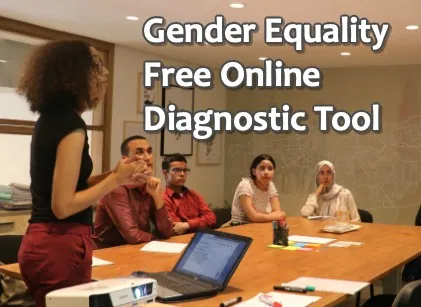
The result is the InterPraxis Gender Equality and Empowerment Diagnostic Tool which we have put online for companies to access for free.

CLICK HERE TO ACCESS OUR FREE ONLINE GENDER EQUALITY DIAGNOSTIC TOOL


While the tool is still in beta version, many individuals and organizations have found it to be a very useful to conduct their own gap analyses or self-assessments and quickly identify areas where they can improve their performance related to gender equality and empowerment.


Making gender equality a top strategic priority for business and other organizations is critical for achieving the SDGs.  Businesses can’t do it alone, but they have an important role to play in achieving gender equality and promoting women’s empowerment in both the workplace and in society more broadly. And the tone from the top is also key.


When company leaders and senior executives affirm high-level support and commit to implementing relevant policies for gender equality and human rights, transformations are more likely to take place.


Of course these commitments need to be accompanied by robust programs and company-wide goals and targets for achieving gender equality, and by stewarding a shift towards a corporate culture that both celebrates and recognizes the importance of equality, diversity and inclusion for all.


*Access our video on Gender Equality in the Workplace in our Resources Section

New Online Tool: Assessing Your Anti-Bribery and Corruption Program – Where to Start?


Understanding where your organization stands in terms of its efforts to combat bribery and corruption has never been more important – especially for businesses with any sort of international operations (manufacturing, export, supply chain, sales, etc.). Legislation like the US Foreign Corrupt Practices Act (FCPA), the UK Bribery Act and other national laws aligned to OECD, or UNCAC guidance often have stiff penalties, and make it clear that organizations need to take corruption prevention in business seriously.

This means putting in place an effective anti-bribery and corruption program that responds to the needs of your organization and meets international good practice. This can seem like a daunting task to some, which is why we developed a free online tool to help organizations quickly assess their existing activities related to anti-bribery and then identify any gaps which may need to be addressed to bringing the program up to standard.

When assessing your anti-bribery and corruption (ABC) programme, it is useful to identify best practices that inform the components of the most effective compliance programs. Below, we have developed a list of nine guiding principles which can be used to assess your anti-bribery and corruption program and decide what, if any, additional measures might yet need to be put in place.


1. Organizational Commitment

The organization should have a clear policy or commitment in place which clearly prohibits bribery in any form, whether directly or indirectly, and includes a prohibition against facilitation payments. Policies should clearly set out what the organization will and will not tolerate, when it comes to bribery and corruption.

2. Comprehensive Procedures

The organization’s anti-bribery and corruption program should be comprehensive and include clear procedures on how certain situations should be handled, covering such topics as: dealing with conflicts of interest, accepting or offering any form of bribe, political donations, charitable donations and sponsorships, facilitation payments, as well as clear guidance on gifts, hospitality and travel expenses.

3. Setting the Tone from the Top

An important element of leadership is about establishing the tone at the top, in order to set the tune in the middle and the beat of the feet at the bottom of the organization. When it comes to bribery and corruption, the leaders need to set a top-down example that there is zero tolerance for bribery within the organization. Those at the top of the organization are in the best position to guard against and prevent bribery, by making sure executives, middle managers, key people you do business with, and you, yourself, understand that bribery is outlawed.

4. Bribery Risk Assessment

This principle is key for understanding the bribery risk in the markets you operate in and the people you deal with, especially if you are entering into new business arrangements or new markets abroad, so that you can assess your organization’s potential exposure to bribery,  the likelihood of bribery occurring, the severity of the consequences from potential bribery – and the organization’s capacity to mitigate any of these risks.

5. Due Diligence Concerning Third Parties

More than two-thirds of the cases prosecuted under the FCPA are the result of acts of third parties. Knowing exactly who you are dealing with and putting controls in place to address the associated risks can help protect your organisation against unnecessary risk and guard against less than trustworthy business partners, contractors, and other intermediaries. In order to mitigate third-party risk, you should carry out adequate checks both before and after engaging others to represent you in business dealings.

6. Anti-Bribery Policy Awareness and Training

Even having the best anti-bribery policy won’t necessarily help organizations unless this policy is effectively communicated to people throughout the organization via regular awareness-raising initiatives and anti-bribery training – from the top of the organization to the bottom, and includes all other relevant business associates such as contractors and business partners. This should result in all relevant individuals having a clear understanding of the organization’s approach to bribery and corruption.

7. Reporting Misconduct

The organization should provide secure and accessible channels through which employees and others can raise concerns, about potential misconduct related to bribery or corruption, and report it to the relevant authority in their organization.  It’s important that there are clear lines of communication open (such as a whistle-blowing mechanism or grievance hotline) where employees can raise concerns about potential breaches of the anti-bribery and corruption policy or report related misconduct without fear of retribution or reprisal.

8. Effective Financial Accounting Controls

The organizations needs to have effective internal controls in place to counter bribery, including financial and organizational checks on accounting and recording-keeping practices – especially those related to its anti-bribery and corruption program. These controls should be subject to regular view and audit to ensure their effectiveness.

9. Continuous Improvement and Monitoring

As part of its commitment to an effective anti-bribery and corruption program, the organization should have regular monitoring in place to assess the program and ensure that it’s functioning as it is intended – that it’s not something that only exists on paper. The organization’s leadership should undertake periodic reviews to assess the program’s effectiveness and report its findings to the audit committee or the Board for their action.


By carefully implementing these above principles into your organization, you should be able to develop an effective anti-bribery program that aligns to good practice and that will help to protect your organization against inflated transaction costs from suppliers, reputational risks, fines and even jail sentences for company officials.

* Want to try our free online diagnostic tool for assessing the health of your anti-bribery program now?  Please click on the link below:

Where Does Your Organization Stand on Anti-Bribery / Corruption?


** If you would like to learn more about implementing or certifying against ISO 37001 (anti-bribery management system)  please feel free to contact us. In the meantime you may also wish to watch our video Primer on ISO 37001 (Anti-Bribery Management System) Standard


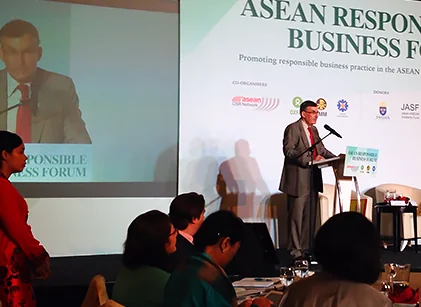
InterPraxis Director delivers keynote lecture in Tokyo on building responsible supply chains.

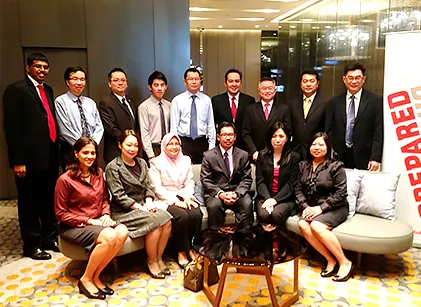
As Tokyo prepares to host the 2020 Olympics and awareness of frameworks like the SDGs and other codes for international supply chains grow, many businesses are keenly interested in learning best practice in this area. InterPraxis was invited to deliver a workshop to share emerging best practice and demonstrate how Japanese businesses can develop and implement effective systems to ensure responsible and sustainable supply chains, and address key ESG risks.

Building responsible supply chains requires cooperation and collaboration with suppliers to ensure that they have critical sustainability/ responsibility strategies in place so that they can reduce sustainability risks and create ongoing improvements in their social and environmental performance. It is especially important to focus on high-risk suppliers, for example from industries that are known to face particular challenges, or from countries where national legislation and internationally recognised principles for human rights and labour rights, the environment and anti-corruption, are not fully respected. This is not always easy but as InterPraxis demonstrated developing a robust responsible supply chain management system will go a long way to help you achieve these goals.

If you would like to perform a quick diagnosis to assess how responsible your current supply chain is, we invite you to try our free on-line assessment tool:


CLICK HERE FOR OUR FREE ONLINE SUSTAINABLE SUPPLY CHAIN ASSESSMENT TOOL.


Click below for our video on sustainable supply chains:


Ensuring Responsible Supply Chains: InterPraxis helps Lululemon address the issue of Foreign Migrant Workers

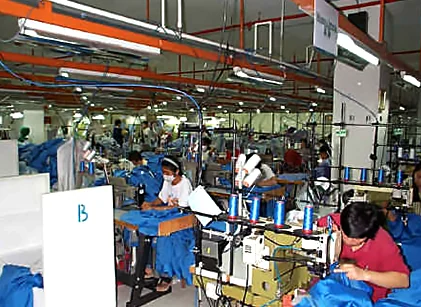
Based on emerging best practice and input from key stakeholders, InterPraxis helped Lululemon develop its new foreign migrant labour standard as part of its Vendor Code of Conduct. The new standard will help Lululemon and its vendors address risks of exploitive labour practices among migrant workers and imposes a new framework on it suppliers for outsourcing foreign migrant labourers that include specific safeguards against trafficking and forced labour.

Foreign migrant workers continue to be at risk for rights violations through their recruitment and during their employment. In particular, the recruitment and employment practices of suppliers and labor agents puts foreign migrant workers at risk for forced labor. Given the variation in practices by suppliers and labor agents in managing these workers, a universal and codified approach in this area can help organizations to clarify their standards with their vendors and drive their enforcement throughout their supply chain. This is what we have sought to achieve with this project.

InterPraxis Director selected by ISO Academy to deliver regional trainings on the new ISO 37001 standard.

Bribery continues to be one of the world’s most destructive and challenging issues. With over US$ 1 trillion paid in bribes each year*, the consequences are catastrophic, reducing quality of life, increasing poverty and eroding public trust. Recognizing this, ISO developed a new standard to help organizations fight bribery and promote an ethical business culture.

ISO 37001, Anti-bribery management systems, specifies a series of measures to help organizations prevent, detect and address bribery. It is designed to help organizations implement an anti-bribery management system, or enhance the controls you currently have. It helps to reduce the risk of bribery occurring and can demonstrate to your stakeholders that you have put in place internationally recognized good-practice anti-bribery controls.

ISO 37001 can be used by any organization, large or small, whether it be in the public, private or voluntary sector, and in any country. It is a flexible tool, which can be adapted according to the size and nature of the organization and the bribery risk it faces.

The standard was developed over a period of years with the help of stakeholders from around the world which included the active participation of InterPraxis throughout its development.

InterPraxis, together with BNQ, helps to deliver the world’s first ASI audit certification.

The independent third party audits were carried out by BNQ (Bureau de Normalisation du Québec) together with the support of InterPraxis Director, David Simpson who was one of the first accredited auditors to be recognized by the ASI

The ASI Certification program was developed through an extensive multi-stakeholder consultation process and is the only comprehensive voluntary sustainability standard initiative for the aluminium value chain. Rio Tinto is a founding member of ASI and is the first company in the world to achieve ASI Certification. The independent, third-party audits were carried out by BNQ (Bureau de Normalisation du Québec), which was the world’s first firm to be accredited by ASI.

The ASI Certification program was developed through an extensive multi-stakeholder consultation process and is the only comprehensive voluntary sustainability standard initiative for the aluminium value chain. Rio Tinto is a founding member of ASI and is the first company in the world to achieve ASI Certification.

The Aluminium Stewardship Initiative (ASI) is a non-profit standardization and certification body, bringing together major international stakeholders in the aluminium value chain, with a commitment to maximizing the contribution of aluminium to sustainable development. For more information on ASI and the certification please go to: https://aluminium-stewardship.org/

InterPraxis leads harmonization project among MDB international accountability (complaint) mechanisms.

This framework is intended to serve as a foundation for a quality management standard that would embed a quality management system within IAMs, increasing productivity and efficiency while ensuring quality of processes and outputs. It also underlines the importance of an effective complaints handling system within an organization and provide assurance for users that their complaints are taken seriously and that they are being treated properly, fairly and impartially.

A quality standard would help to ensure that IAM principles are effectively embedded into the practices and procedures of the mechanisms and also help to underline and safeguard the qualities of good practice when IAMs come under attack from their stakeholders as well as from the agencies and bodies that govern and fund them.

A standard would also open up the possibility for organizations to fine-tune and benchmark their performance and better manage the risks they face while enhancing their own accountability to stakeholders.

InterPraxis Director accepts interim appointment to head EBRD’s Independent Accountability Mechanism

Independent accountability mechanisms (IAMs) have a common goal: to strengthen devlopment outcomes, by providing individuals and communities with an independent, impartial and transprent channel to address their social and environmental concerns.

IAMs like EBRD’s Project Complaint Mechanism achieve this through different services such as dispute resolution platforms or investigations to ensure that the banks are in compliance with their social and enviornmental policies.

The existence of independent accountability mechanisms reflect the commitment of the various international financial institutions to sustainable development and to give people a voice when their rights and/or interests are affected – and to meet the highest standards of transparency and accountabiliy.

International Experts Group Meeting on UN Guiding Principles Facilitated by InterPraxis.

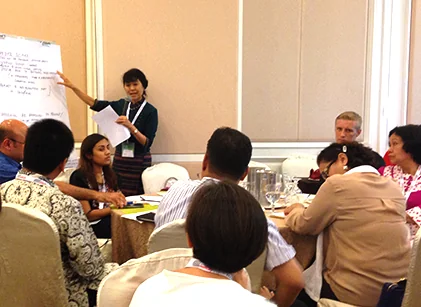
InterPraxis Director was invited by the UN Working Group on Business and Human Rights and the Office of the Extractive Sector CSR Counsellor to facilitate an international workshop on Business Impacts and Non-Judicial Access to Remedy which will help to establish global best practice.

UN-backed PRI selects InterPraxis to develop framework for implementing UNGPs

InterPraxis was invited to work with the Investor members of the Principles for Responsible Investment (PRI) to help develop a framework for assessing the implementation of the UN Guiding Principles on Business and Human Rights (UNGPs) within the extractive sector. This initiative worked with both investors and companies to identify best practices and challenges in this area and recommended a performance framework to assess implementation of the UNGPs.

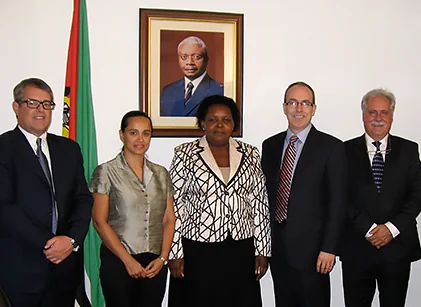
InterPraxis develops CSR Policy Framework for extractive sector companies in Mozambique.

InterPraxis recently won a competitive bid with the Mozambican Ministry of Mineral Resources (MIREM) to carry out a research study which will help inform the development of a national CSR policy framework for the extractives sector which will enable the industry to be more strategic in the design and delivery of its various CSR programs and initiatives, as well as to better support the goals of sustainable economic growth and poverty reduction.

InterPraxis Director chosen to Chair SROI Network Group

IP Director, David Simpson has been chosen to Chair the SROI Network (now Social Value International) Assurance Technical Committee. SROI is an approach to understanding and managing the value of social, economic, and environmental outcomes created by an activity or an organization. For more info click here.

InterPraxis in Middle-East

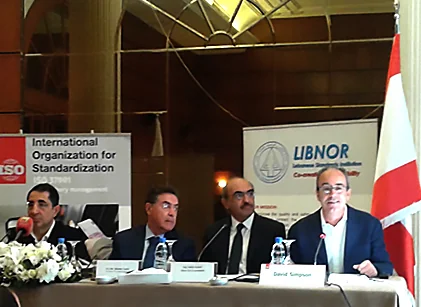
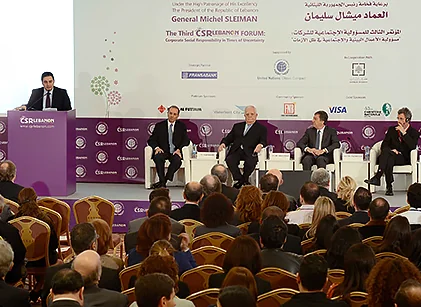
InterPraxis was invited to participate in two recent forums in Lebanon and Abu Dhabi to share expertise on designing effective stakeholder engagement systems for sustainability, and on international best practice in the area of social responsibility aligning to ISO 26000. InterPraxis Director, David Simpson has been a frequent participant at international events, with recent speaking engagements in Belgium, Chile, China, Korea, Mexico, Switzerland and the UK.

InterPraxis advising ACCA on integrated reporting.

World’s Largest Professional Accounting Body Selects InterPraxis to Provide Expertise on Integrated Reporting. The Association of Certified Charted Accountants (ACCA) is working with InterPraxis to help develop its thinking and processes around integrated reporting. Integrated Reporting is a new approach to corporate reporting that seeks to demonstrates the linkages between an organization’s strategy, governance and financial performance and the social, environmental and economic context within which it operates. ACCA is currently part of the pilot-programme being hosted by International Integrated Reporting Committee (IIRC).

Assisting South Korea SMEs in Moving Towards a “Green Economy”.

InterPraxis is working as part of an international team together with the Korean Productivity Centre (KPC) to provide practical guidance and tools to accelerate South Korean SMEs in their move towards the new green economy. As part of this work we have helped to develop and design a diagnostic tool for SMEs to assess their environmental, social, and governance performance against today’s most relevant sustainability and social responsibility performance indicators. We are now working with KPC to implement the programme and ensure that it responds to the practical needs of South Korea’s SME business community.

InterPraxis Carries Out Sustainability Assurance Engagement in Australia.

Together with Net Balance, we helped carry out a sustainability assurance engagement for a large Australian company with a broad range of assets in the retail, chemical and resources sector. The assurance engagement included an audit of the corporate headquarters as well as the various business subsidiaries. As part of our work we reviewed community engagements (particularly relating to mining activities) and carried out on-site reviews with local stakeholders.

InterPraxis conducts multi-stakeholder consultations for the Office of the CSR Counsellor for the Extractive Sector.

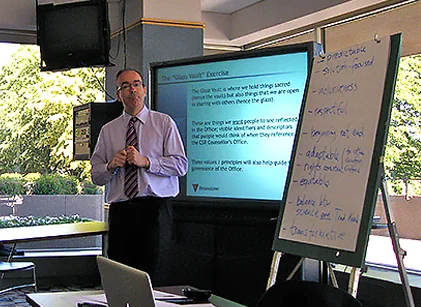
InterPraxis worked closely with the Office of the CSR Counsellor to help develop and design an effective dispute resolution process for the Canadian extractive sector and international host communities. Our work resulted in a shared set of principles and values for the Office and recommendations on multi-stakeholder governance with the parameters set down by the Federal Government.

Corporate Governance Renewal Project Led by InterPraxis in Caribbean.

InterPraxis was invited by the National Competitiveness Strategy Unit of Guyana to help design a set of relevant corporate governance standards for Guyana’s business sector and in particularly its stock exchange, based on “international best practice”, and to engage with relevant stakeholders to promote inter-institutional learning and dialogue between government , the business sector and civil society stakeholders. Topic covered included: Board leadership, board effectiveness, remuneration, stakeholder relations and accountability and audit.

InterPraxis working with Chinese Government to enhance accountability and improve performance auditing.

InterPraxis is working with Transparency International (Canada) on a project designed to improve the manner in which financial, human and physical resources are managed in Ningxia Hui (Autonomous Region) with regard to economy, efficiency and effectiveness as well as improving transparency and governance.

InterPraxis Director Shepherds Development of ISO 26000 standard.

InterPraxis Director, David Simpson continues to play an active role in the development of the ISO 26000 standard on social responsibility as an expert member of the International Working Group – participating in international meetings across the globe. David continues to be invited by a number of organizations in both Canada and abroad to present the standard and its future implications for business, government and civil society. He continues to advise organizations on how to enhance social responsibility performance in line with the guidance standard.

InterPraxis Assures Data for Vancity’s “Carbon-Neutral” Claim.

InterPraxis assured the energy, transportation and other CO2 data for the first North American financial institution to assert ‘carbon neutrality’ based on the protocols of ISO 14064 and the Green House Gas Protocols of the World Resource Institute (WRI) and the World Business Council for Sustainable Development (WBCSD). Vancity has raised the bar on the carbon neutral claim by not only accounting for its direct and indirect energy use, but also including the carbon emitted by business-related air travel and by its employees’ commuting to work everyday. InterPraxis’ contribution to this initiative were further by recognized by prominent environmentalist David Suzuki of the David Suzuki Foundation.

InterPraxis featured speaker at ABF’s conference on CSR in Singapore.

InterPraxis Director, David Simpson has been invited to deliver an address at the CSR conference presented by the Asia Business Forum. David will be speaking on “Cutting-edge Strategies to Building Accountability and Meeting Rising Stakeholder Expectations”. The conference features a training session the following day.

Thai Study on CSR: New Opportunities for Partner Collaboration.

InterPraxis recently conducted a study on CSR for the Thai-German Programme for Enterprise Competitiveness in Bangkok. The research highlighted opportunities for stakeholder dialogue and collaborative governance as a more effective way to achieve sustainable development results in public-private partnerships.

Courses on Sustainability Delivered by InterPraxis in Portugal.

InterPraxis was invited to lead two certified workshops on CSR / sustainability in Porto and Lisbon on behalf of The Accountability Project. Participants all scored the course very highly and an article on the workshop leader appeared in the Portuguese business daily Diario de Noticias

InterPraxis Invited to Participate in GTZ Mission

InterPraxis was recently invited by the German Development Agency Gesellschaft für Technische Zusammenarbeit (GTZ) to participate in an appraisal mission in China to help design a project framework on CSR. InterPraxis was joined by other experts from Peking University, the Bertelsmann Foundation and GTZ. It is anticipated that the project will be implemented over the next 2 years.

InterPraxis Director Elected to International Council.

David Simpson has been elected as a Council Member of AccountAbility, an internationally-respected non-profit think tank dedicated to promoting accountability for sustainable development. David is the first Canadian to sit on the Council and is joined by 18 other colleagues from around the world. Accountability is headed by Dr. Simon Zadek and recently announced the appointment of Dr. Anwar Ibrahim (the former Deputy Prime-Minister of Malaysia) as Honorary President.

Diageo Canada Invites InterPraxis to Assist with its Corporate Citizenship.

Diageo Canada, part of Diageo (the world’s leading premium drinks company) has invited InterPraxis to assist it with its Corporate Citizenship Report. InterPraxis has been asked to review Diageo’s corporate citizenship policies, activities and processes in Canada and provide assurance and expert commentary to Diageo’s stakeholders on its Corporate Citizenship. Diageo is listed on both the Dow Jones Sustainability Index and FTSE4Good in the UK. InterPraxis will be applying the internationally recognized AA1000 Assurance Standard in this assignment.

VanCity Members/Shareholders Re-appoint of InterPraxis as Independent Social Audit at AGM.

The Board and Social Audit Committee of VanCity Credit Union recommended to its members that InterPraxis be re-appointed as its Social Auditor for 2005-06 and the members overwhelmingly endorsed this position at its AGM held in Vancouver on April 5th, 2005. This marks the first time in North America (and possibly the world) that a Social Auditor will have been chosen by an organizations’ own members / shareholders.

InterPraxis Invited to Participate in Regional Forums in Middle-East.

InterPraxis was invited to participate in two recent forums in Lebanon and Abu Dhabi to share expertise on designing effective stakeholder engagement systems for sustainability, and on international best practice in the area of social responsibility aligning to ISO 26000. InterPraxis Director, David Simpson has been a frequent participant at international events, with recent speaking engagements in Belgium, Chile, China, Korea, Mexico, Switzerland and the UK.

World’s First Public Social Stock Exchange Accredits InterPraxis Director.

The world’s first publicly traded social stock exchange in Africa has accredited InterPraxis Director David Simpson as a recognized impact investment advisor and impact verifier to help connect communities to capital and capital to meaningful social and environmental change.